
Liniments & Lotion: Monophasic Liquid Dosage Form: Pharmaceutics
Pharmaceutical Lotion: Lotions are either liquid or semi-liquid preparations that contain one or more active ingredients in an appropriate vehicle. A
Pharmaceutical Lotion: Lotions are either liquid or semi-liquid preparations that contain one or more active ingredients in an appropriate vehicle. A
Pharmaceutical Mixture .A mixture is a liquid preparation meant for oral administration in which medicament or medicaments are dissolved, suspended,
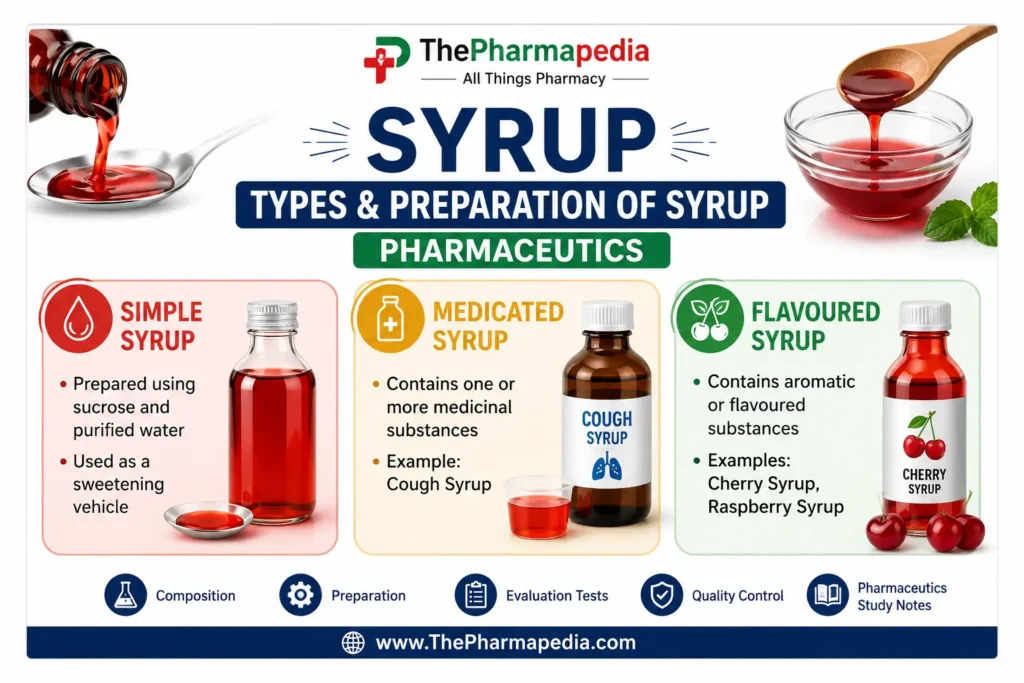
Learn about the different types of pharmaceutical syrups, including simple, medicated, and flavoured syrups. This guide covers their preparation methods, key ingredients, and the role each type plays in pharmaceutics and patient care
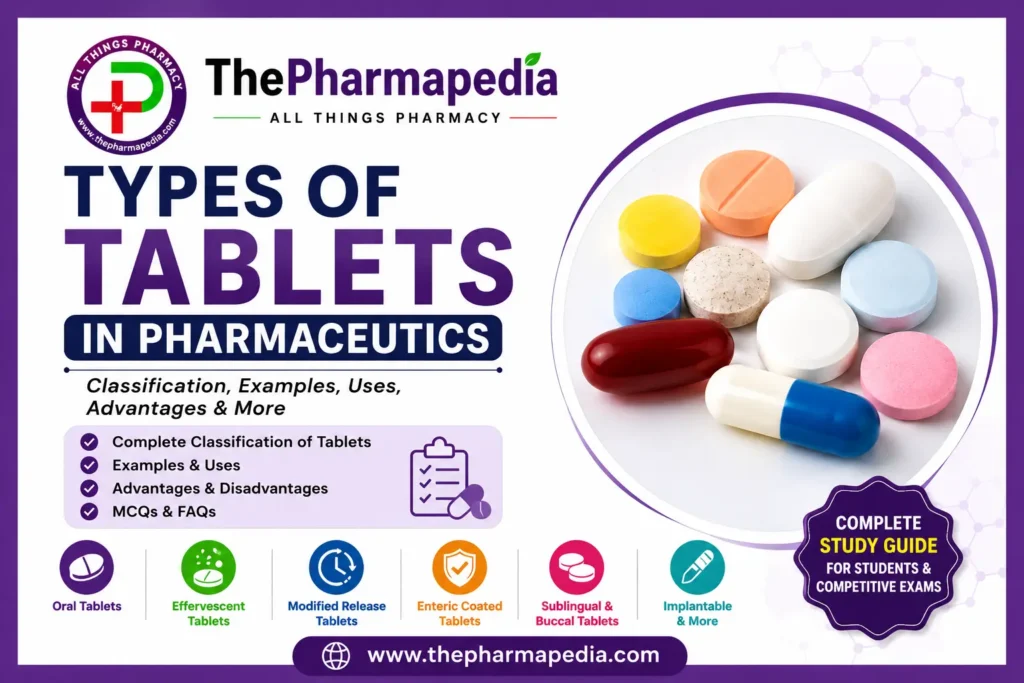
Discover the different types of tablets in pharmaceutics, including their classification based on route of administration and preparation. This guide is essential for pharmacy exam preparation and practical knowledge.
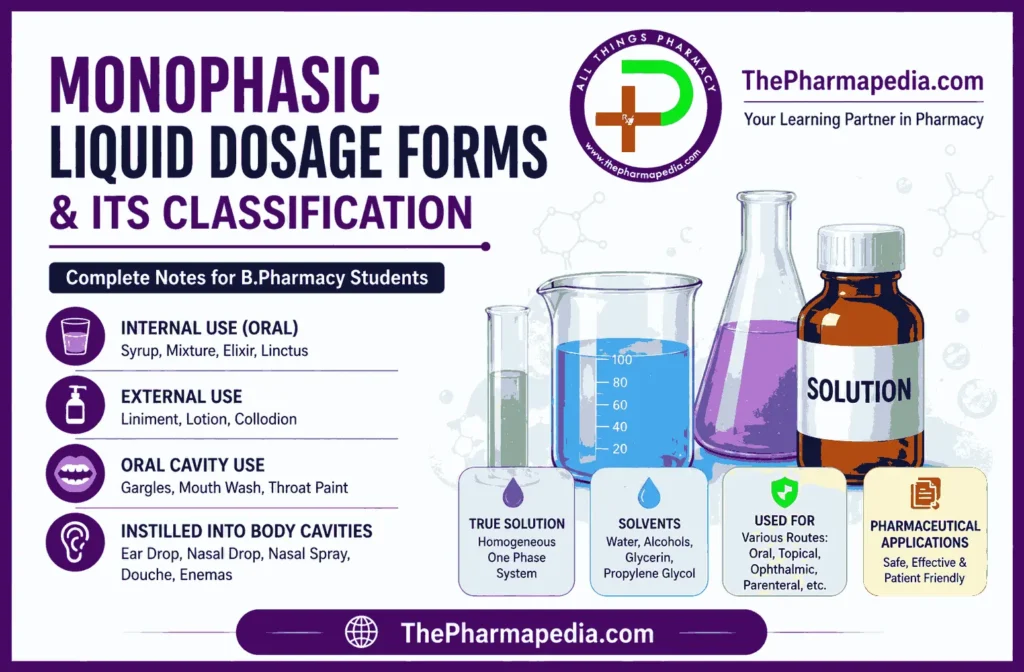
Master Monophasic Liquid Dosage Forms (MLDF) with this comprehensive pharmacy guide. Learn the definitions of true solutions, detailed internal and external classifications, preferred formulation solvents, and standard preservative concentrations required for B.Pharmacy, D.Pharmacy, and M.Pharmacy curriculums
In the Pharmaceutical industry, Water is widely used as raw material, ingredient, and solvent in the processing, formulation, and manufacture of pharmaceutical
Terms used in Filtration Difference between clarification & filtration FILTRATION FILTRATION may be defined as the “Separation of solids from a
Formulation of Suppository Suppositories are prepared by rolling (hand-shaping), molding (fusion), and cold compression method. 1.Rolling (hand-shaping) method 2. Molding (fusion) method
Drugs are rarely administered as pure chemical entity, Almost always given as formulated preparations i.e Dosage form. They are administered in
Suppositories are single solid dosage forms intended for insertion into body orifices/cavities (nasal, vagina, rectal, ear, nose) where they melt, soften, or